

Tax season is always a crucial time for individuals and businesses alike, and staying informed about the latest updates to tax brackets is essential for effective financial planning. it’s important to grasp how tax brackets work and what changes might be tax brackets 2023 in store for the upcoming fiscal year. You might also like What Is a Levy.
What are Tax Brackets?
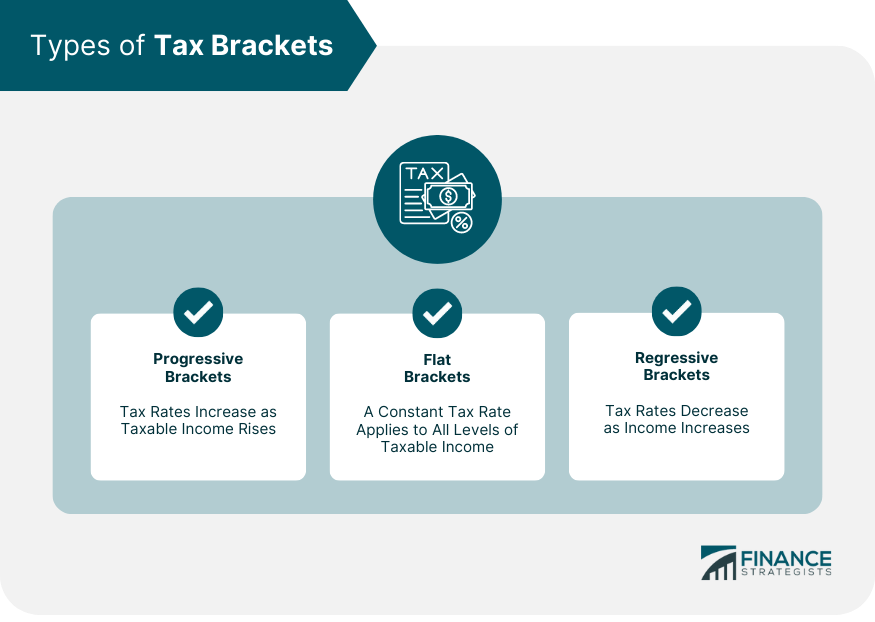
Tax brackets are divisions within the tax code that determine how much tax an individual or entity owes based on their income. The United States tax system, like many others around the world, uses a progressive tax structure. This means that as income increases, higher portions of income are taxed at higher rates.
Understanding the 2023 U.S. Federal Income Tax Brackets
For the 2023 tax year, federal income in the United States is taxed using a progressive bracket system with seven marginal rates: 10%, 12%, 22%, 24%, 32%, 35%, and 37%. Under this system, only the portion of income that falls within each bracket is taxed at that specific rate, not the entire earnings. This means that moving into a higher bracket does not increase taxes on the full income, only on the amount above the previous bracket threshold. This progressive structure is designed to apply higher rates to higher income levels while keeping lower earnings taxed at lower rates.
What Is a Marginal Tax Rate?
The marginal tax rate is the percentage of tax applied to your income for each tax bracket in which you qualify. Essentially, it is the rate at which your last dollar of income is taxed. Understanding the marginal tax rate is crucial for financial planning and tax strategies because it affects decisions on income, investments, and deductions.
Understanding the Tax Brackets 2023
To grasp the impact of tax brackets 2023, let’s consider an example. Suppose you’re a single filer with a taxable income of $50,000 in 2023. Based on the tax bracket table, the first $10,525 of your income will be taxed at 10%, resulting in a tax liability of $1,052.50. The remaining $39,475 ($50,000 – $10,525) will be subject to the 12% tax rate, equating to a tax liability of $4,737 ($39,475 * 0.12).
Therefore, your total tax liability for the year would be $1,052.50 + $4,737, amounting to $5,789.50. Understanding tax brackets helps you estimate your tax liability and plan your finances accordingly. By analyzing the brackets, you can strategize to minimize your taxable income or take advantage of deductions and credits.
How Do Tax Brackets Work?
In a progressive tax system, income is divided into various brackets, each with its own tax rate. For example, income up to a certain amount may be taxed at one rate (e.g., 10%), income within the next bracket at a higher rate (e.g., 15%), and so on. The highest income bracket typically incurs the highest tax rate.
Total tax liability: $6,000
This progressive system ensures that those who earn more contribute a larger percentage of their income in taxes, while those with lower incomes pay proportionally less. Tax brackets for 2023 are typically adjusted for inflation by the government. The specific income thresholds and tax rates are set by legislation and can vary based on filing status (single, married, filing jointly, etc.) and other factors.
Strategies for Managing Tax Brackets
Understanding tax brackets opens up opportunities for strategic financial planning:
- Tax-Efficient Investments: Consider investments like retirement accounts (e.g., 401(k), IRA) that can lower your taxable income, potentially moving you into a lower bracket.
- Timing Income and Deductions: If you have flexibility over when you receive income or pay deductible expenses, you may be able to strategically manage which tax year they fall into, optimizing your bracket placement.
- Spousal Income: For married couples, filing jointly can sometimes result in a lower tax burden than filing separately due to wider tax brackets for joint filers.
- Tax Credits and Deductions: Utilize available tax credits and deductions effectively to reduce your taxable income and overall tax liability.

Benefits of Understanding Tax Brackets
- Accurate Tax Planning: Knowing your tax bracket allows you to estimate how much of your income will go towards taxes. This enables you to plan your finances better throughout the year, ensuring you have enough set aside to cover your tax bill come April.
- Strategic Income Management: For individuals who have control over when they receive income, understanding tax brackets can be advantageous. By spreading income over multiple years or timing bonuses or investments, you can potentially stay in lower tax brackets and reduce your overall tax burden.
- Tax Optimization: Understanding the nuances of tax brackets can help you optimize your deductions and credits. For instance, if you’re close to moving into a higher tax bracket, you might consider contributing more to tax-advantaged retirement accounts or making charitable donations to reduce your taxable income.
- Long-Term Financial Planning: Tax brackets play a crucial role in long-term financial planning, especially for retirement. By understanding your current tax bracket and how it might change in retirement, you can make informed decisions about savings and withdrawals from retirement accounts.
Common Misconceptions
- Being in a Higher Bracket Does Not Mean All Income is Taxed at That Rate. Only the income within that bracket range is taxed at the higher rate. Your earlier income is still taxed at the lower rates.
- Tax Brackets Are Adjusted Annually: Tax brackets can change from year to year due to inflation adjustments or new legislation. Staying informed about these changes can help you plan more effectively.
- Utilize Tax-Advantaged Accounts: Maximize contributions to retirement accounts like 401(k)s and IRAs, which can reduce your taxable income and potentially keep you in a lower tax bracket.
- Consider Timing of Income: If possible, defer income to future years or accelerate deductions in the current year to manage your tax bracket strategically.
- Consult with a Tax Professional: Tax laws can be complex, and a tax professional can provide personalized advice based on your specific financial situation and goals.
Impact on Your Finances
Understanding tax brackets is essential for several reasons:
- Accurate Tax Planning: Knowing your tax bracket allows you to estimate how much of your income will go towards taxes. This knowledge is crucial for budgeting and managing your finances throughout the year.
- Optimizing Tax Efficiency: Knowing your tax bracket can help you make strategic decisions to minimize your tax liability. For example, you might consider contributing more to tax-advantaged retirement accounts to reduce your taxable income and potentially drop into a lower tax bracket.
- Income Management: If you have control over the timing of your income, understanding tax brackets can help you decide when to receive income to minimize taxes. For instance, delaying a bonus or a large capital gain until the following year might keep you in a lower tax bracket for the current year.
- Long-Term Financial Strategy: Tax brackets play a significant role in long-term financial planning, especially for retirement. Understanding how your tax bracket might change in retirement can help you make informed decisions about savings, investments, and withdrawals from retirement accounts.
Conclusion
Navigating tax brackets doesn’t have to be overwhelming. Armed with a clear understanding of how they work and some strategic planning, you can make informed decisions that optimize your tax situation. Whether you’re a salaried employee, a freelancer, or a business owner, being aware of your tax bracket and using it to your advantage can lead to significant savings and financial security. Remember, tax laws can be complex and may vary based on your jurisdiction, so consulting with a tax professional or financial advisor is always a prudent step to ensure compliance and maximize your tax efficiency. By taking proactive steps to understand and manage your tax brackets, you can pave the way toward a more secure financial future.
If you want to read an interesting article about it, explore our “TAXES” category.
FAQs
You can find your tax bracket for 2023 by reviewing the IRS tax tables or using online tax calculators. Your tax bracket is determined by your taxable income and filing status for the year.
If your income in 2023 pushes you into a higher tax bracket, only the income within that bracket range is taxed at a higher rate. Your earlier income remains taxed at the rates applicable to those lower brackets.
To plan for taxes using the 2023 tax brackets, estimate your taxable income for the year and consider any changes that may affect your income or deductions. Strategize to maximize deductions or credits and consider consulting with a tax professional for personalized advice.
Being in a higher tax bracket means that only the portion of your income above a certain threshold is taxed at a higher rate, not your entire income.
Tax brackets determine how much federal income tax is withheld from your earnings, which directly impacts your take-home pay.

