
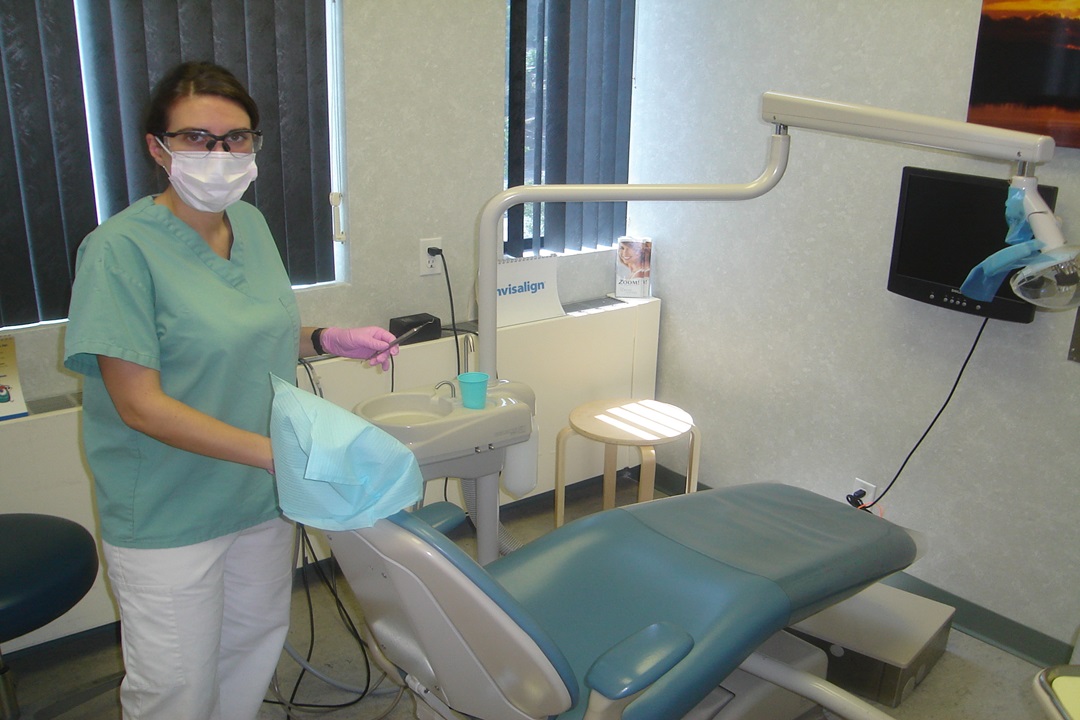
As a dental hygienist, you play a crucial role in the dental care team, providing essential preventive services and educating patients on oral health. While the profession offers a rewarding career with a stable income, you might wonder how to take your earnings to the next level. Whether you’re just starting or have years of experience, there are several strategies you can implement to increase your salary. This article will explore how to grow your dental hygienist salary, from education and certifications to expanding your role and exploring alternative career paths.
| 1. Dental Hygienist Job Description (JD) | Dental hygienists clean teeth, examine patients for oral diseases, and provide preventive dental care, including oral hygiene education. |
| 2. Dental Hygienist Salaries | The median annual wage for dental hygienists in the U.S. is approximately $77,090, with potential to earn over $100,000 in high-demand areas. |
| 3. Services Offered | Teeth cleaning, scaling and root planing, fluoride treatments, dental sealants, patient education, oral cancer screenings. |
| 4. Degree Required for Dental Hygienist | An associate degree in dental hygiene is the minimum requirement, though a bachelor’s or master’s degree can lead to higher salaries and specialized roles. |
| 5. Dental Hygienist Inside USA | Dental hygienists are in high demand across the U.S., particularly in states like California, Alaska, and Washington. Opportunities vary by location. |
| 6. Social Media Accounts | Many dental hygienists and organizations maintain active social media accounts on platforms like Instagram, Facebook, and LinkedIn for professional networking and education. |
| 7. Wikipedia Link | …./wikipedia.org/wiki/Dental_hygienist |
| 8. Job Growth Outlook | The job outlook for dental hygienists is positive, with a projected growth of 6% from 2021 to 2031, faster than the average for all occupations. |
| 9. Work Environment | Dental hygienists typically work in dental offices, but may also find employment in clinics, hospitals, and educational institutions. |
| 10. Certification Requirements | Licensure is required in all U.S. states, which typically includes passing the National Board Dental Hygiene Examination (NBDHE) and a state or regional clinical board exam. |
Factors That Influence a Dental Hygienist’s Salary
The article explains that a dental hygienist’s salary can vary widely depending on several key factors rather than a single fixed rate. Elements such as location, level of experience, education, and work setting all play an important role in determining earnings. The article highlights that hygienists working in different environments, such as private dental offices or specialized clinics, may see variations in pay based on demand and responsibilities. Overall, salary potential is presented as a reflection of both professional qualifications and regional employment conditions, making it important to consider these factors when evaluating earning expectations in this field.
Understanding the Baseline Salary
What Is the Average Dental Hygienist Salary?
To understand how you can increase your salary as a dental hygienist, you must first know where you stand. According to the U.S. Bureau of Labor Statistics (BLS), the median annual wage for dental hygienists was $77,090 in 2023. However, this figure can vary significantly based on experience, education, and location. For instance, dental hygienists earn higher wages in California, Alaska, and Washington due to the higher cost of living and greater demand for dental services.
Common Misconceptions About Dental Hygienist Salaries
Many assume dental hygienist salaries are capped at a certain level, with little room for growth. However, this is far from the truth. The dental industry is evolving, with increasing demand for specialized skills and advanced care. As a result, there is potential for significant salary growth if you are willing to invest in your education, gain experience, and take on additional responsibilities.
Education and Certifications: The First Step to Salary Growth
Why Advanced Education Matters
One of the most effective ways to increase your salary as a dental hygienist is through advanced education. While many dental hygienists start their careers with an associate’s degree, pursuing a bachelor’s degree can open up more opportunities for higher-paying positions. A bachelor’s degree provides a deeper understanding of dental hygiene. It offers management, research, and education training, which can lead to leadership roles within a dental practice or even teaching positions at dental hygiene schools.
Investing in your education can yield a significant return on investment (ROI). Dental hygienists with a bachelor’s degree often earn higher salaries than those with only an associate’s degree. Additionally, some employers offer tuition reimbursement or higher starting salaries for employees who pursue further education.
Specialized Certifications to Consider
In addition to formal education, obtaining specialized certifications can boost your earning potential. Certifications in local anesthesia, nitrous oxide sedation, and laser therapy are highly sought after and can command higher salaries. These certifications demonstrate your expertise in specific procedures, making you a valuable asset to your dental practice.
The process of obtaining certifications typically involves completing additional coursework and passing exams. While this requires time and effort, the payoff can be substantial in terms of increased salary and job opportunities. Moreover, certifications can set you apart from other dental hygienists and provide a competitive edge in the job market.
Gaining Experience and Building Expertise

How Years of Experience Influence Salary
Experience plays a significant role in determining your salary as a dental hygienist. Like many professions, dental hygiene offers a clear salary progression as you gain more experience. In the first few years, you may see modest pay increases. However, your earning potential grows as you build your reputation, hone your skills, and develop relationships with patients and colleagues.
Research indicates that dental hygienists typically experience the most significant salary increases during the first five to ten years of their careers. After this period, salary growth may slow. However, continuous learning and specialization still offer opportunities to accelerate your earnings.
Specializing in High-Demand Areas
Another way to increase your salary is by specializing in high-demand areas of dental hygiene. Specialization can involve focusing on specific patient populations, such as pediatric or geriatric patients, or honing your skills in a particular care area, such as periodontics or orthodontics. These niches often require additional training or certification but can lead to higher pay and greater job satisfaction.
For example, dental hygienists specializing in periodontics—a field focused on treating and preventing gum disease—are often in high demand and can command higher salaries due to the complexity of care required. Similarly, those who work in pediatric dentistry may earn more due to the specialized skills needed to work with children.
Expanding Your Role in the Dental Office
Taking on Additional Responsibilities
One of the most direct ways to increase your salary is by taking on additional responsibilities within your dental office. Many dental hygienists find that expanding their roles to include administrative duties, such as managing patient schedules, ordering supplies, or overseeing staff, can lead to higher pay. Additionally, serving as a mentor or trainer for new dental hygienists can demonstrate your leadership skills and make you a more valuable employee.
By taking on these additional responsibilities, you increase your earning potential and gain valuable experience that can lead to further career advancement. For example, you might be considered for a supervisory or management position within your practice, which typically comes with a higher salary.
Negotiating a Raise
Another critical strategy for increasing your salary is effectively negotiating a raise. Many dental hygienists hesitate to ask for a pay increase, but it’s crucial to career growth. The key to successful negotiation is preparation. Before approaching your employer, research your area’s average salary for dental hygienists with similar experience and education. Be ready to present your case by highlighting your contributions to the practice, such as improving patient satisfaction, increasing efficiency, or taking on additional responsibilities.
Timing is also essential. Consider asking for a raise during your annual review or after you’ve completed a significant project or obtained a new certification. When you make your request, be confident but also open to discussion. Even if you don’t get the exact raise you’re asking for, you may be able to negotiate other benefits, such as additional vacation days or a flexible work schedule.
Exploring Alternative Career Paths and Side Gigs
Working in Different Practice Settings
If you want to increase your salary, consider exploring different practice settings. Dental hygienists work in various environments, including private practices, corporate dentistry, public health, and specialty clinics. Each setting offers different salary ranges and opportunities for advancement.
For instance, dental hygienists in private practices often have the opportunity to build long-term relationships with patients, leading to higher pay through increased patient retention and referrals. On the other hand, working in corporate dentistry might offer higher starting salaries and benefits but with less flexibility in patient care. While typically offering lower salaries, public health clinics may provide opportunities for loan forgiveness or grants, especially in underserved areas.
Opportunities Outside Traditional Dental Hygiene
Beyond traditional dental hygiene roles, numerous alternative career paths and side gigs can boost your income. Many dental hygienists succeed in consulting, using their expertise to advise dental practices on improving patient care, increasing efficiency, or implementing new technologies. Others may pursue teaching positions at dental hygiene schools, sharing their knowledge with the next generation of hygienists.
Additionally, some dental hygienists supplement their income by writing articles, creating educational content, or developing online courses related to dental hygiene. These side gigs provide extra income and allow you to share your expertise with a broader audience and establish yourself as a thought leader.
Read More: – Ace Cash Express: Your Go-To Solution for Fast and Reliable Financial Services
Conclusion
Increasing your salary as a dental hygienist requires a proactive approach, combining education, experience, and strategic career decisions. You can significantly boost your earning potential by pursuing advanced education, obtaining specialized certifications, and gaining experience in high-demand areas. Expanding your role within the dental office and exploring alternative career paths can also open up new opportunities for salary growth. Ultimately, your salary as a dental hygienist is not fixed—it can grow as you continue to develop your skills, expand your expertise, and take on new challenges.
Are you curious to read an amazing article about Technology Modernization Fund (TMF), then explore our “Manage Money” category.
Frequently Asked Questions (FAQs)
The highest salaries for dental hygienists are typically found in specialized practice settings, such as periodontics or pediatric dentistry, and in high-cost areas like California or Alaska. Top earners can make over $100,000 annually, especially with advanced education and certifications.
It’s advisable to consider asking for a raise during your annual review or after achieving a significant milestone, such as obtaining a new certification or taking on additional responsibilities. Regularly reviewing your salary and negotiating when appropriate can help ensure your earnings keep pace with your experience and contributions.
While additional roles can increase your salary, managing your workload is essential to avoid burnout. Ensure that the additional responsibilities align with your career goals and that you have the support needed to succeed in these roles.
Online certifications can be valuable significantly if your employer or industry organizations recognize them. Certifications in specialized areas like local anesthesia or laser therapy are particularly beneficial in increasing your salary.
To transition into teaching or consulting, consider pursuing advanced education, such as a bachelor’s or master’s degree, and gaining experience in your areas of interest. Networking with professionals in these fields and staying current with industry trends can also help you successfully transition.

