The exchange rate between the Hong Kong Dollar (HKD) and the US Dollar (USD) is a critical financial metric with significant implications for businesses, investors, and travelers alike. As one of the most traded currency pairs globally, the HKD/USD exchange rate reflects not only the economic conditions of Hong Kong and the United States but also broader financial trends. This article provides a detailed overview of the factors influencing the HKD to USD exchange rate, its historical context, and its impact on various sectors. Elsewhere on the site, we look at Exploring the World of Freecash.
What is the Hong Kong Dollar?
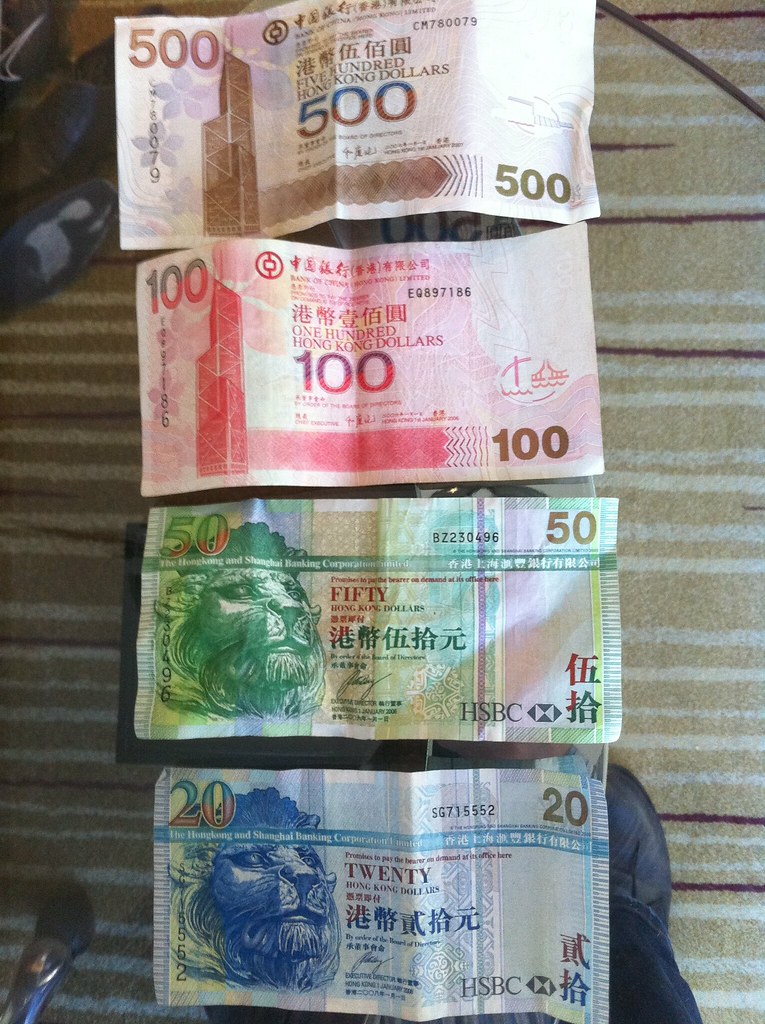
The Hong Kong Dollar (HKD) is the official currency of the Hong Kong Special Administrative Region (SAR) of China. It is abbreviated as “HKD” and is sometimes symbolized by “HK$” to differentiate it from other dollar-denominated currencies. The HKD is subdivided into 100 cents. Our related guide, How Your Dental Hygienist Salary Can Grow, goes further into this.
Introduced in 1863, the HKD has undergone various transformations but has consistently served as a cornerstone of Hong Kong’s financial infrastructure. It is one of the most traded currencies globally, reflecting Hong Kong’s status as a major international financial hub.
Why HKD-to-USD Conversion Matters for Global Transactions
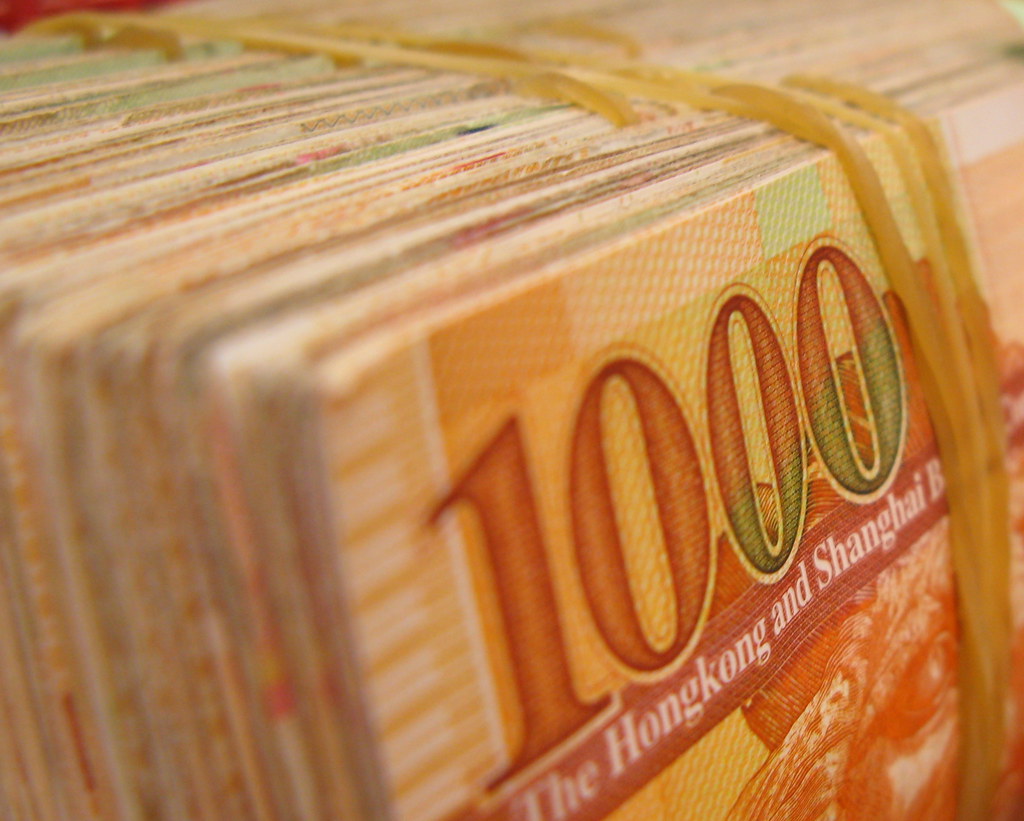
The exchange rate between the Hong Kong Dollar (HKD) and the United States Dollar (USD) is widely followed because of Hong Kong’s long-standing currency-peg system. Under this arrangement, the HKD is kept within a narrow range against the USD, which helps maintain stability and predictability in currency exchange. This stability is especially important for international trade, travel, remittances, and investment activity involving Hong Kong and the United States. Because of the peg, dramatic fluctuations are rare, making HKD-to-USD conversions more reliable compared to many other currency pairs.
Understanding Hong Kong Dollar
The Hong Kong Dollar (HKD) is the official currency of Hong Kong. It is abbreviated as “HKD” or sometimes represented by the symbol “HK$.” The HKD is pegged to the US Dollar within a specific range, which has been a cornerstone of Hong Kong’s monetary policy for decades. This peg is managed by the Hong Kong Monetary Authority (HKMA), which maintains the currency’s stability through various monetary mechanisms.
Historical Context
The HKD was initially pegged to the British Pound but was later linked to the US Dollar. In 1983, Hong Kong adopted a currency peg to the USD, which has been instrumental in maintaining the HKD’s stability. This peg system remains a fundamental aspect of the HKD’s operation today.
Recent Trends
In recent years, the HKD has remained largely stable against the USD, with fluctuations typically confined within the range set by the peg system. However, changes in US monetary policy, global economic conditions, and geopolitical events can cause temporary shifts in the exchange rate.
How the Peg Works
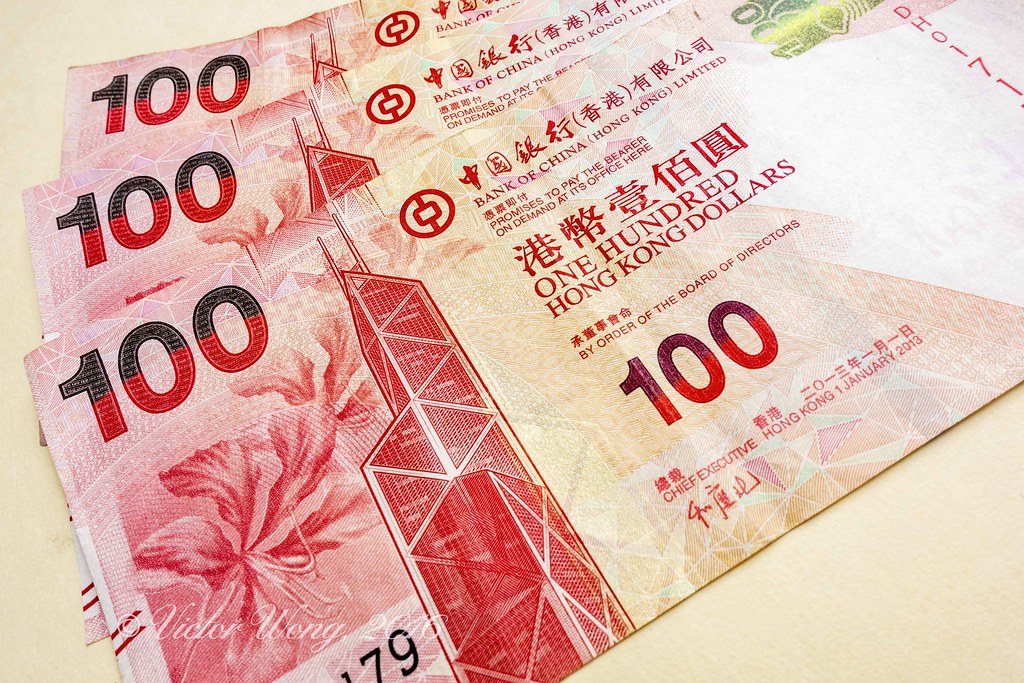
The peg system operates through a linked exchange rate mechanism. The HKMA maintains a narrow trading band for the HKD against the USD, usually within a range of HK$7.75 to HK$7.85 per USD. If the exchange rate approaches the upper or lower limit of this band, the HKMA intervenes in the foreign exchange market to buy or sell HKD to maintain the rate within the designated range.
Interest Rates and Inflation
While the HKMA does not control interest rates directly (since monetary policy is heavily influenced by US Federal Reserve policies due to the peg), it monitors inflation and adjusts policy measures to mitigate economic fluctuations. Inflation control is crucial for maintaining the currency’s purchasing power and economic stability.
Financial Markets
The HKD is a significant player in global financial markets, often used as a benchmark for trading and investment. Its stability and liquidity make it an attractive currency for international trade and financial transactions. The HKD is widely used in foreign exchange trading, bond issuance, and other financial activities.
Tourism and Travel
The HKD also impacts tourism and travel. Hong Kong’s status as a major international travel destination means that the HKD is frequently exchanged by tourists and travelers. The currency’s stability and wide acceptance in global financial markets facilitate smooth transactions for international visitors.
External Economic Pressures
The HKD’s peg to the USD means that it is subject to economic conditions in the United States. Changes in US monetary policy, economic data, or geopolitical events can influence the HKD’s value. While the peg provides stability, it also exposes the HKD to external economic pressures that can affect Hong Kong’s economy.
Hong Kong’s Political Landscape
Political developments in Hong Kong and its relationship with China can also impact the HKD. While the peg has provided long-term stability, political uncertainty or changes in economic policy could influence investor confidence and the currency’s value.
Trade and Investment
Hong Kong’s position as a global financial center means that the HKD is frequently involved in international trade and investment. The currency is commonly used in cross-border transactions, including trade settlements and foreign direct investments. Hong Kong’s business-friendly environment and robust financial infrastructure further enhance the HKD’s role in global trade.
Factors Influencing the HKD To USD Exchange Rate
Monetary Policy
Monetary policy decisions by the US Federal Reserve and the Hong Kong Monetary Authority play a critical role in determining the HKD/USD exchange rate. Interest rate changes in the US can affect capital flows between the two economies, impacting the demand for HKD and USD.
Economic Indicators
Key economic indicators such as GDP growth, inflation rates, and employment figures in both Hong Kong and the US can influence the exchange rate. Strong economic performance in either economy can affect investor sentiment and currency value.
Global Financial Markets
Global financial markets and investor risk appetite also impact the HKD/USD exchange rate. In times of global uncertainty or financial market volatility, the USD is often seen as a safe-haven currency, which can lead to fluctuations in the HKD/USD rate.
Trade Relations
Trade balances and economic relations between Hong Kong and the US also play a role. Changes in trade policies, tariffs, and bilateral trade agreements can influence the flow of currencies between the two economies.
Economic Forecasts
Economic forecasts and geopolitical developments will continue to influence the HKD/USD exchange rate. Analysts monitor economic data, monetary policy changes, and global events to provide insights into potential future trends.
Currency Peg Considerations
The HKD’s peg to the USD provides stability but also subjects the currency to external pressures. Future changes in the peg system or shifts in global economic conditions could impact the exchange rate dynamics.
Conclusion
The HKD to USD exchange rate is a vital financial metric with broad implications across various sectors. Understanding the factors that influence this rate and staying informed about economic trends can help businesses, investors, and travelers make more informed decisions. As global financial landscapes evolve, the interplay between these two major currencies will continue to be an important area of focus in international finance. We break this down further in Understanding MOHELA.
Apart from that if you want to know about “One Main Financial” then please visit our “Banking” Category.
FAQs
The HKD is pegged to the US Dollar to maintain currency stability and foster economic confidence. This peg helps to stabilize exchange rates and reduce inflationary pressures, ensuring a predictable economic environment.
The HKD is pegged to the USD within a narrow trading band, typically between HK$7.75 and HK$7.85 per USD. The Hong Kong Monetary Authority (HKMA) intervenes in the foreign exchange market to maintain this peg.
The Hong Kong Monetary Authority (HKMA) is responsible for managing the HKD. The HKMA oversees monetary policy and ensures the stability of the currency through various tools and interventions.
HKD to USD refers to converting Hong Kong Dollars into United States Dollars based on the current exchange rate.
The stability comes from the currency peg system and strong financial regulations that help reduce sharp exchange-rate fluctuations.