In a move that was initially greeted with enthusiastic anticipation, Chipotle Mexican Grill, Inc. (CMG) recently executed a 50-to-1 stock split, an event that sent ripples through the financial markets. This strategic maneuver, intended to make the company’s stock more accessible and potentially attract a broader base of investors, has, however, not yielded the long-term positive effects that Chipotle stock tumbles might have hoped for. Instead, the company’s stock has faced a notable decline as the initial excitement surrounding the split wanes.
What’s Behind the Recent Drop in Chipotle’s Stock
Chipotle’s recent stock tumble reflects a mix of slowing consumer spending and increasing operating costs within the fast-casual dining industry. As everyday expenses rise, many customers have become more cautious about dining out, which has affected overall sales momentum. At the same time, higher food, labor, and supply-chain costs have placed pressure on profit margins. These combined factors have influenced investor confidence, leading to a noticeable decline in Chipotle’s share value. The situation highlights how closely restaurant stocks are tied to broader economic conditions and changes in consumer behavior.
Why Chipotle’s Stock Drop Signals Wider Restaurant Industry Pressure
Chipotle’s recent stock tumble reflects broader challenges facing the fast-casual dining sector as rising operating costs and shifting consumer spending habits put pressure on performance. Increased expenses for food ingredients, labor, and supply chains have tightened profit margins, while many customers have become more cautious about dining out due to higher living costs. These combined factors have impacted overall sales momentum and investor confidence, contributing to the decline in share value. The situation shows how closely restaurant stocks are tied to economic conditions and changing customer behavior.
Understanding the Stock Split
A stock split, in essence, involves issuing additional shares to shareholders while proportionally reducing the stock’s price per share. For Chipotle, this meant that for every share owned, shareholders received 50 new shares, and the stock price was adjusted accordingly. The rationale behind this type of split is typically to lower the trading price of the stock, making it more affordable for smaller investors and enhancing liquidity.
Chipotle’s stock split was seen as a strategic attempt to broaden its investor base, especially given its historically high share price, which had become prohibitive for many retail investors. Prior to the split, Chipotle’s stock was trading at over $2,500 per share, a figure that arguably limited its accessibility. By executing the 50-to-1 split, the company aimed to bring the stock price to a more manageable level, enhancing its appeal to a larger pool of potential investors.
Initial Surge and Subsequent Decline
The initial reaction to the split was predictably optimistic. In the days leading up to and following the execution of the stock split, Chipotle’s shares saw a surge in trading volume and a brief uptick in price. This was largely driven by a flurry of speculative trading and heightened interest from investors who were eager to get a piece of the action at a more affordable price point.
However, as the immediate excitement subsided, the stock’s trajectory took a downturn. Analysts and market watchers have attributed this decline to several factors. First and foremost, the stock split itself does not fundamentally alter the company’s financial health or its operational performance. It’s essentially a cosmetic change rather than a substantive one. Investors who bought into the stock split under the assumption that it would lead to immediate gains may have been disillusioned when those gains did not materialize.
Additionally, broader market conditions and macroeconomic factors have played a role in the stock’s performance. Chipotle, like many other companies, has been navigating a complex landscape of economic uncertainty, inflationary pressures, and changing consumer behaviors. These factors have undoubtedly influenced investor sentiment and contributed to the stock’s decline.
Several factors contributed to this decline
Lack of Fundamental Change: A stock split does not alter a company’s fundamental value or operational performance. It is essentially a cosmetic change, and without accompanying improvements in financial performance or strategic developments, the split alone cannot sustain a higher stock price.
Broader Market Conditions: Chipotle’s stock performance has been influenced by broader economic factors. Market volatility, inflationary pressures, and shifting consumer behaviors have all played a role in shaping investor sentiment. These external factors have compounded the effects of the stock split, contributing to the stock’s decline.
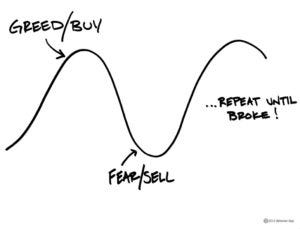
Investor Expectations: The excitement surrounding the stock split may have led to unrealistic expectations among investors. When the anticipated gains did not materialize, disappointment set in, leading to a sell-off and a subsequent drop in the stock price.
Long-Term Impact and Investor Sentiment
Looking ahead, the long-term impact of the stock split on Chipotle’s share price remains to be seen. Historically, stock splits have had mixed outcomes for companies. While some companies experience a sustained increase in stock price and investor interest, others see little to no lasting benefit. For Chipotle, the key to reversing the recent downward trend will likely hinge on its ability to continue demonstrating strong operational performance and delivering value to shareholders through solid financial results and strategic initiatives.
Investor sentiment will also play a crucial role in shaping the stock’s future trajectory. If the company can effectively communicate its growth prospects and navigate the broader economic challenges, it may regain investor confidence and see a recovery in its stock price. Conversely, if market conditions remain volatile or if the company encounters further operational challenges, the stock may continue to struggle.

The Purpose Behind the Stock Split
Chipotle’s decision to implement a 50-to-1 stock split was primarily driven by the high price of its shares. Before the split, Chipotle’s stock was trading at a premium, exceeding $2,500 per share. This high price point, while a testament to the company’s strong market performance and investor confidence, also limited the stock’s accessibility to smaller retail investors.
A stock split aims to address this issue by reducing the price per share while increasing the number of shares outstanding, thereby making it more affordable for individual investors. For Chipotle, the 50-to-1 split meant that for every share held, shareholders received 50 new shares, with the price adjusted accordingly. This maneuver was expected to enhance liquidity and make the stock more attractive to a broader investor base.
Conclusion
Chipotle’s 50-to-1 stock split was initially a move designed to make the company’s shares more accessible and potentially attract a wider investor base. However, as the initial excitement fades, the stock has faced a notable decline. The long-term success of the stock split will depend on Chipotle’s ability to deliver strong financial performance and effectively address the broader economic challenges it faces. For now, the stock’s trajectory serves as a reminder that while stock splits can generate short-term buzz, they are not a panacea for underlying business challenges or market conditions.
If you want to read an interesting article about it, explore our “TRADING” category.
FAQs
Initially, the stock split led to a surge in trading volume and a temporary increase in Chipotle’s share price as investors reacted positively to the lower price point. This initial excitement, however, did not last.
The excitement faded because a stock split does not change the fundamental value of the company or its financial performance. As the initial novelty wore off, the stock price declined, partly due to broader market conditions and the lack of fundamental improvements.
Broader market conditions, including economic uncertainty, inflation, and changing consumer behaviors, have influenced investor sentiment. These factors have contributed to the stock’s decline following the split.
Restaurant stocks are sensitive to changes in consumer spending, food costs, labor expenses, and overall economic conditions, which can cause frequent price fluctuations.
Stock prices can drop due to weak earnings reports, lowered sales expectations, rising costs, negative market sentiment, or broader economic concerns.