Housing Market
The housing market is a dynamic and complex sector that plays a crucial role in the global economy, influencing everything from personal wealth to national fiscal policies. It encompasses the buying, selling, and renting of residential properties, driven by a myriad of factors ranging from economic conditions and demographics to government policies and societal trends.
Economic Foundations
At its core, the housing market is deeply intertwined with economic factors. Interest rates set by central banks, for instance, directly impact mortgage rates, influencing affordability and demand for homes. Economic growth and employment levels also play pivotal roles: during periods of economic expansion and low unemployment, demand for housing typically rises as consumer confidence and disposable income increase.
Conversely, economic downturns can lead to reduced consumer spending and tighter credit conditions, dampening demand and potentially lowering property values. The 2008 financial crisis vividly demonstrated how interconnected global economies and financial markets can profoundly impact housing markets worldwide.
What Drives Housing Market Trends: Supply, Demand, and Economic Factors
The housing market is largely shaped by the balance between supply and demand — when more buyers compete for fewer available homes, prices and competition rise, while excess supply can slow price growth. Demand is influenced by factors such as interest rates, household income, population growth, and access to credit, all of which affect how easily buyers can enter the market. On the supply side, construction costs, land availability, and regulatory conditions play a major role in determining how many new homes are built. Together, these forces create shifting market conditions that influence home prices, affordability, and overall buyer activity.
Current Trends in the Housing Market
Affordability Challenges
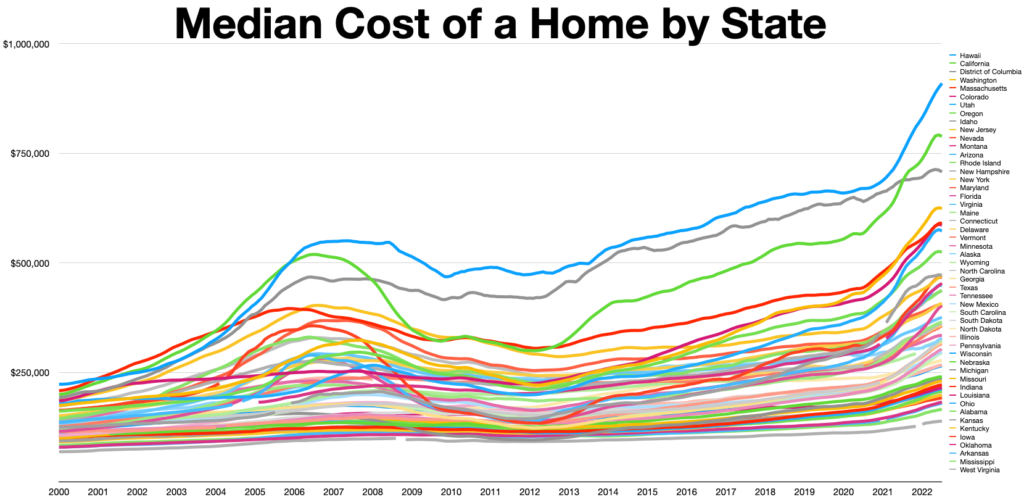
Across many markets, housing affordability has become a pressing issue. Rapid price appreciation, coupled with stagnant wage growth, has made homeownership a distant dream for many young adults and lower-income families. This trend has spurred debates on income inequality and the need for inclusive housing policies.
Shifts in Urban vs. Suburban Preferences
The COVID-19 pandemic accelerated a trend towards suburban living as remote work became more prevalent. Homebuyers sought larger properties with home offices and outdoor space, leading to increased demand in suburban and rural areas compared to urban centers.
Impact of Interest Rates
Fluctuations in interest rates significantly affect the housing market. Lower rates generally stimulate demand by making mortgages more affordable, while higher rates can dampen demand and reduce buying power.
Supply Chain Disruptions
Global supply chain disruptions have impacted the housing market, causing delays in construction projects and pushing up the costs of building materials. These challenges have contributed to higher home prices and reduced housing affordability.
Demographic Shifts
Demographics are another critical factor shaping the housing market. Generational preferences, population growth, and migration patterns all contribute to demand for housing. In many developed countries, the aging population has fueled demand for retirement communities and accessible housing options, while younger generations entering the workforce seek affordable housing in urban centers close to job opportunities.
Moreover, cultural shifts, such as delaying marriage and parenthood, have influenced the types of properties in demand. Millennials, for example, have shown a preference for rental properties and urban living, prompting developers to adapt by building more multifamily units in city centers.
Government Policies and Regulations
Government policies and regulations wield significant influence over the housing market. Policies related to taxation, zoning laws, and subsidies can either stimulate or restrict development and homeownership. For instance, tax incentives for homeownership may increase demand, while stringent zoning regulations can limit new construction and drive up property prices in desirable locations.
Internationally, policies related to immigration and foreign investment can also impact housing markets. Cities like London, Vancouver, and Sydney have implemented foreign buyer taxes to cool overheated markets driven by international investment, aiming to maintain affordability for local residents.

Market Trends and Innovations
Technological advancements and market innovations continue to reshape the housing sector. Online platforms and digital marketing have streamlined property transactions, making it easier for buyers to browse listings and for sellers to reach a broader audience. Virtual reality (VR) and augmented reality (AR) technologies are revolutionizing property viewings, allowing potential buyers to tour homes remotely.
Furthermore, sustainable building practices and energy-efficient homes are gaining traction as environmental concerns grow. Developers and homeowners alike are increasingly prioritizing eco-friendly features, not only for their lower environmental impact but also for potential cost savings in utilities over time.
Social and Community Benefits
A strong housing market fosters social cohesion and community stability. Homeownership often correlates with higher levels of civic engagement and community involvement, as homeowners have a vested interest in maintaining their neighborhoods. Stable communities with higher rates of homeownership tend to experience lower crime rates, improved educational outcomes, and better public infrastructure.
Moreover, residential stability enhances social networks and supports local businesses, creating a sense of belonging and pride among residents. Strong neighborhoods attract amenities such as parks, schools, and healthcare facilities, further enhancing quality of life and overall well-being.
Infrastructure Development
The housing market plays a pivotal role in shaping urban development and infrastructure planning. Increased demand for housing prompts investments in transportation, utilities, and public services, benefiting both residents and businesses alike. Municipalities often rely on property taxes generated from real estate transactions to fund essential services such as schools, roads, and emergency services, thus improving overall public infrastructure.
Innovation and Sustainability
A thriving housing market encourages innovation and sustainability within the construction and real estate sectors. Developers and builders innovate to meet evolving consumer preferences and regulatory requirements, leading to advancements in energy-efficient building materials, smart home technologies, and sustainable design practices. These innovations not only reduce environmental impact but also lower operating costs for homeowners, promoting long-term affordability and resilience.
Future Outlook
Looking ahead, the housing market faces both challenges and opportunities. Rising construction costs, land scarcity in urban areas, and affordability issues pose challenges for policymakers and developers. However, advancements in construction technology, such as 3D printing and modular housing, hold promise for addressing housing shortages and reducing building costs.
Additionally, shifts in work patterns brought about by the COVID-19 pandemic have accelerated trends toward remote work and decentralized living, potentially reshaping demand for housing in suburban and rural areas. Adapting to these changes will require flexibility and innovation from stakeholders across the housing industry.
conclusion
In conclusion, the housing market is a multifaceted ecosystem influenced by economic, demographic, regulatory, and technological factors. Understanding these dynamics is crucial for stakeholders—whether they are homebuyers, sellers, investors, or policymakers—seeking to navigate and capitalize on opportunities in this vital sector of the global economy. As the market continues to evolve, so too must strategies and approaches to ensure sustainable growth.
If you want to read an interesting article about it, explore our “REAL ESTATES” category.
FAQs
The housing market is significant for several reasons. It serves as an economic indicator, reflecting the overall health of the economy. It also plays a crucial role in wealth creation, job creation, and economic stimulus through various industries associated with housing.
The housing market is influenced by various factors, including economic conditions, interest rates, government policies, demographic trends, and consumer preferences. These factors can affect housing demand, supply, and affordability.
Some current trends in the housing market include rising home prices, a shortage of housing inventory, the impact of millennial buyers, and the digitalization of the homebuying process. Sustainability and energy efficiency also play a growing role in the market.
Home prices change based on supply and demand, interest rates, economic conditions, population growth, and availability of homes for sale.
Lower interest rates usually reduce monthly mortgage payments, which can make buying a home more affordable for many people.