

Most green tea on a US supermarket shelf is drinkable. Almost none of it is good. The difference shows up in four places you can check before you spend a dollar. Harvest date, leaf shape, origin, and what the cup does after ninety seconds.
Quick answer: high-quality green tea is whole leaf, single origin, and recently picked. Look for a printed harvest year, a named growing region, and leaves that stay glossy and intact rather than dusty. Good leaf tastes sweet and savory first, and the astringency arrives late. It also survives two or three steeps.
The seven checks at a glance
| Check | What good looks like | Red flag |
|---|---|---|
| 1. Harvest date | “2026 first flush” or “picked April 2026” printed on the pack | Only a best before stamp two years out |
| 2. Origin | A named region: Uji, Kagoshima, Shizuoka, West Lake | “Product of Asia” or no region at all |
| 3. Leaf shape | Needles, flat pressed spears or tight curls, few broken bits | Dust and fannings settled at the bottom |
| 4. Color | Deep glossy green, sometimes silver buds | Dull olive, yellow or gray |
| 5. Dry aroma | Sweet grass, chestnut, steamed vegetable, seaweed | Hay, cardboard, or nothing |
| 6. Cup behavior | Sweet, then savory, astringency late, two or three steeps | Flat and bitter on the first pour |
| 7. Packaging | Opaque, resealable, nitrogen flushed or vacuum sealed | Clear plastic, or paper sachets in a card box |
TL;DR:
- The harvest year matters more than the best before date. Everything else follows from it.
- Japanese auction prices roughly doubled in 2026, so the same money buys less leaf than it did two years ago.
- Chinese export codes such as chunmee 41022 and gunpowder 3505 are real grades. FTGFOP is not, at least not here.
- Ten minutes, a scale and a thermometer will tell you more than any label.
- Two ounces at a time, stored cold and sealed, beats a big bargain tin every time.
What high-quality green tea costs in 2026
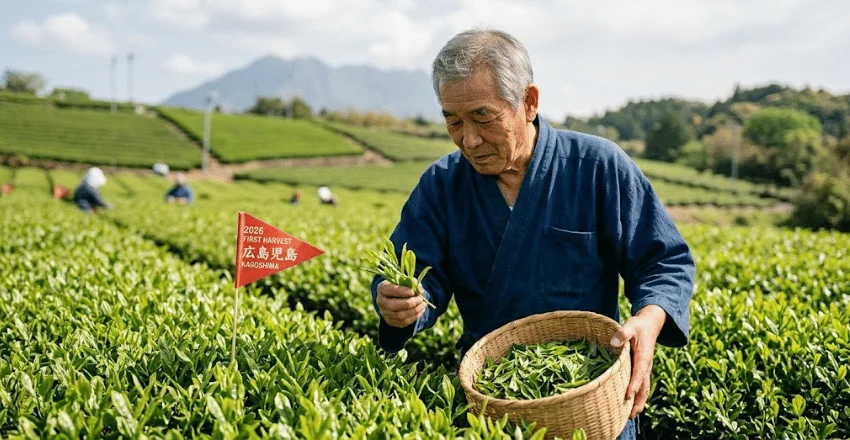
Price is a blunt signal. This year it carries more information than usual, because the auctions behind green tea pricing went strange.
Kagoshima opened its 2026 first harvest trading on April 6, three days earlier than the year before. Honcha, the standard first flush leaf, averaged 5,228 yen per kilogram. That is more than double the 2,564 yen it fetched in 2025. Tencha, the shaded leaf that becomes matcha, reached 13,910 yen.
Kyoto tells the same story over three seasons. First flush machine-harvested tencha went for 5,402 yen per kilogram in 2024, then 14,541 yen in 2025. Opening 2026 auctions landed roughly 50 to 60 percent above that again.
Then add the 15 percent tariff the United States applied to Japanese imports, which importers pass along. American shelf prices have followed.
Across ten specialty brands, gyokuro now runs roughly $12 to $19 an ounce. That sounds brutal until you work it out per cup. An ounce brews about 14 cups at a level teaspoon each, so one cup costs 85 cents to $1.35. Re-steep the same leaf twice, which good gyokuro handles easily, and you land under 45 cents.
Buying direct from a farm or an Asian retailer often beats US shelf prices, but the listed figure is rarely the figure you pay. Currencies move, and cards add a spread, so it helps to know how a rate like HKD converted into USD actually lands on your statement before you check out.
Harvest date beats the best before date
A best before stamp is a food safety formality. It marks when a factory decided the pack stops being at its best. Sellers print it happily on leaves that were already two years old on bagging day.
The harvest year is the number that matters. Green tea is unoxidized, so it fades faster than black or oolong. Freshness is most of the flavor.
Chinese growers sort spring picking into three windows, and the names appear on good packaging:
- Sheqian: picked before roughly March 20, from early sprouting cultivars. Rare and expensive.
- Mingqian: picked between about March 20 and the Qingming festival on April 4 or 5. The classic mark of a premium Dragon Well or Bi Luo Chun.
- Yuqian: picked between Qingming and Grain Rain, around April 5 to 20. Bigger leaf, stronger cup, much better value.
Japan splits the year by flush instead. Ichibancha is the first picking, and shincha is that first crop sold fresh within weeks. Nibancha follows in June and costs far less for a reason.
If a package names none of this, you are buying blended leaf of unknown age. That is not automatically bad. It is simply not premium, and it should not be priced as though it were.
Shade, cultivar and leaf: where the flavor comes from
Growers change the taste of the leaf weeks before anyone picks it, mostly by taking away sunlight.
Kabusecha sits under cover for about 10 to 14 days. Gyokuro and tencha stay shaded for 20 days or more. Shade keeps L-theanine in the leaf instead of letting sunlight convert it toward catechins, and theanine is what you taste as brothy sweetness. Less catechin means less bite. That is the whole trick behind the thick, savory cup that people pay for.
Cultivar matters too, and the good sellers name it. Yabukita dominates Japanese acreage and gives a balanced, familiar sencha. Saemidori and Okumidori push sweeter and greener. Longjing 43 gives Dragon Well its flat, chestnut character.
Leaf integrity is the last piece. Whole leaf releases flavor slowly, which is why it survives a second and third steep. Broken leaf dumps everything at once, tastes harsh, and then quits.
Grades and codes: which labels mean something
Three labeling systems circulate, and only two of them tell you anything.
- Chinese export codes are real. The first digit marks the category, with 1 and 2 for gunpowder and 4 for chunmee. Chunmee 41022 and 4011 sit at the top, 9371 is mid grade, and 9366 or 9369 are plainer. Gunpowder 3505 is the premium end of its family.
- Japanese type names are real. Gyokuro, kabusecha, sencha and bancha describe shading and picking order, which is a genuine quality ladder.
- FTGFOP, OP and BOP are not for this. Those letters belong to the orthodox black tea system and describe leaf size and tip content. Printed on a green package, they are decoration.
One more label deserves suspicion. “Ceremonial grade” matcha has no legal definition and no certifying body behind it. Anyone can print it. Judge that powder by growing region, harvest year, and color instead.
Compare the three tiers before you spend
Here is what your money buys, using current US prices and a level teaspoon per cup.
| Tier | Typical US price | Cost per cup | Buy it for |
|---|---|---|---|
| Supermarket tea bags | About $5.77 for 40 bags at Walmart | Roughly 14 cents, one steep only | Iced tea, offices, cooking |
| Mid loose leaf sencha or Dragon Well | $6 to $12 an ounce | 43 to 86 cents, or about 20 cents across three steeps | Daily drinking |
| First flush gyokuro or mingqian Dragon Well | $12 to $19 an ounce | 85 cents to $1.35, under 45 cents across three steeps | Weekends and gifts |
Supermarket bags. Pros: cheap, everywhere, consistent. Cons: fannings and dust, no harvest date, one weak steep, and a papery finish you cannot brew away.
Mid loose leaf. Pros: whole leaf, named origin, three steeps, and the biggest single jump in quality per dollar you will ever make. Cons: you need a scale, a thermometer, and a strainer.
Premium first flush. Pros: dense umami, long sweet finish, real complexity. Cons: unforgiving of hot water, ages fast, and you pay 2026 auction prices for it.
Small farm shops and importers sell most of the good leaf, and many will be names you have never heard. Before wiring money to an unfamiliar site, spend two minutes on independent ratings. Our explainer on how Trustpilot scores work shows how to tell a thin review profile from a solid one.
The ten-minute test that settles it
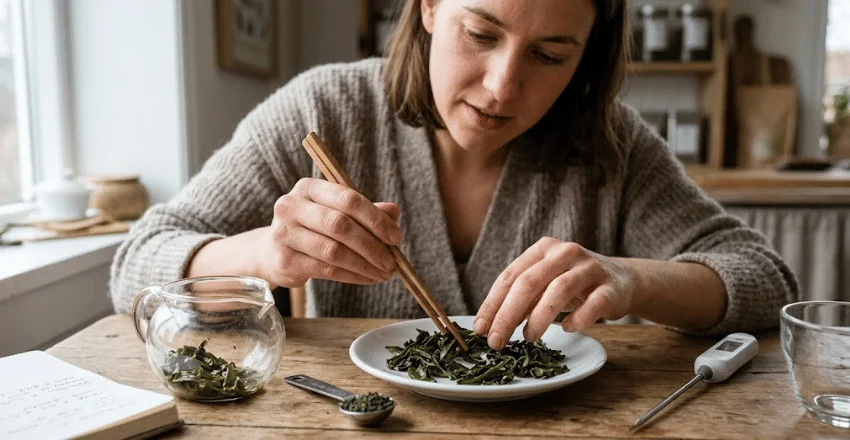
Labels can lie. Wet leaf cannot. Run this once on any new bag.
- Measure one level teaspoon of dry leaf, or weigh it if you own a scale. Smell it first, then note what it reminds you of.
- Heat water to 175 degrees Fahrenheit for a Japanese leaf, or 180 for a Chinese one.
- Pour 8 ounces over the leaf and steep for 90 seconds.
- Smell the wet leaf in the pot. Sweet corn, spinach, or chestnut is a good sign. Cooked cabbage or dust is not.
- Taste it hot, then taste it again as it cools. Quality leaf keeps giving as the temperature drops.
- Re-steep with 30 extra seconds. A third steep should still taste like something.
- Tip the wet leaf onto a white plate. Look for whole leaves and soft, uniform buds.
Cheap leaf falls apart into shreds and shows a mix of stems, brown edges and torn fragments. That is the honest verdict, and no packaging survives it.
Storage: how good tea goes bad
Oxygen, light, heat, moisture and stray odors all attack green leaf, usually in that order.
Keep unopened bags sealed in the refrigerator, then let them reach room temperature before opening so condensation cannot form. Once a bag is open, finish it within one to two months. Buy 2 ounces at a time rather than a pound, however tempting the bulk price looks.
Bought a stale supermarket box instead? Grocery items are usually returnable, and the Target return policy for pantry items is more generous than most shoppers assume.
Verdict: what to buy
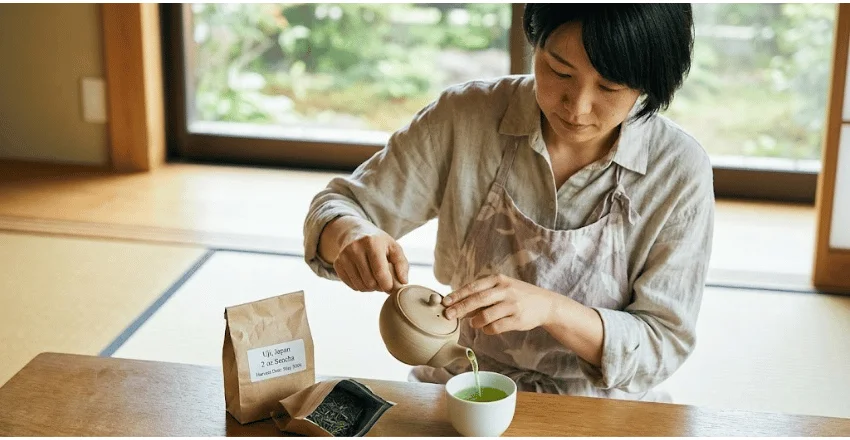
For nearly everyone, the pick is a 2-ounce bag of current-year sencha from a named Japanese region. Expect $8 to $12 an ounce, and buy from a seller who prints the harvest date. It clears every check in the table above; it forgives small brewing mistakes, and it costs about 20 cents a cup across three steeps.
Buy gyokuro or mingqian Dragon Well when you want an occasion, not a routine. Keep the supermarket bags for iced tea in July. Skip anything sold in a clear jar, sold without an origin, or sold with black tea grade letters on the front.
Your next step
Pick one seller who prints a harvest year, order a single 2-ounce bag, and run the ten-minute test on it this weekend. Save the seven checks somewhere you can pull them up in a store aisle. One good bag will reset what you expect from every cup after it.
If you want to know about Designing the Perfect Outdoor Kitchen then visit our Small Business category.
Frequently asked questions
Usually, though the reason is the leaf and not the format. Standard bags hold fannings and dust, which brew fast and turn bitter. Pyramid sachets with visible whole leaf close most of the gap.
No. Price tracks scarcity, labor and shading time, and marketing adds its own markup. A $30 tin with no harvest year and no region is worse value than a $9 ounce of dated, single-origin leaf.
Look at the color and smell the dry leaf. Faded olive or gray leaf with a flat, papery smell has oxidized. The cup will taste thin and slightly sour, and no adjustment to the brewing fixes it.
They aim at different targets. Japanese steamed teas give umami and a deep green cup. Chinese pan-fired teas give chestnut, floral, and toasty notes. Buy the style you enjoy, then buy it fresh.
It signals farming practice, not flavor. Plenty of superb leaf is uncertified because small growers cannot carry the paperwork cost. Treat it as a preference, not a grade.

